Device Preferences Driving Variations in Reward Collection Within Virtual Gaming Ecosystems
Written by Leon Sullivan · Nov 22, 2026

Device Preferences Driving Variations in Reward Collection Within Virtual Gaming Ecosystems
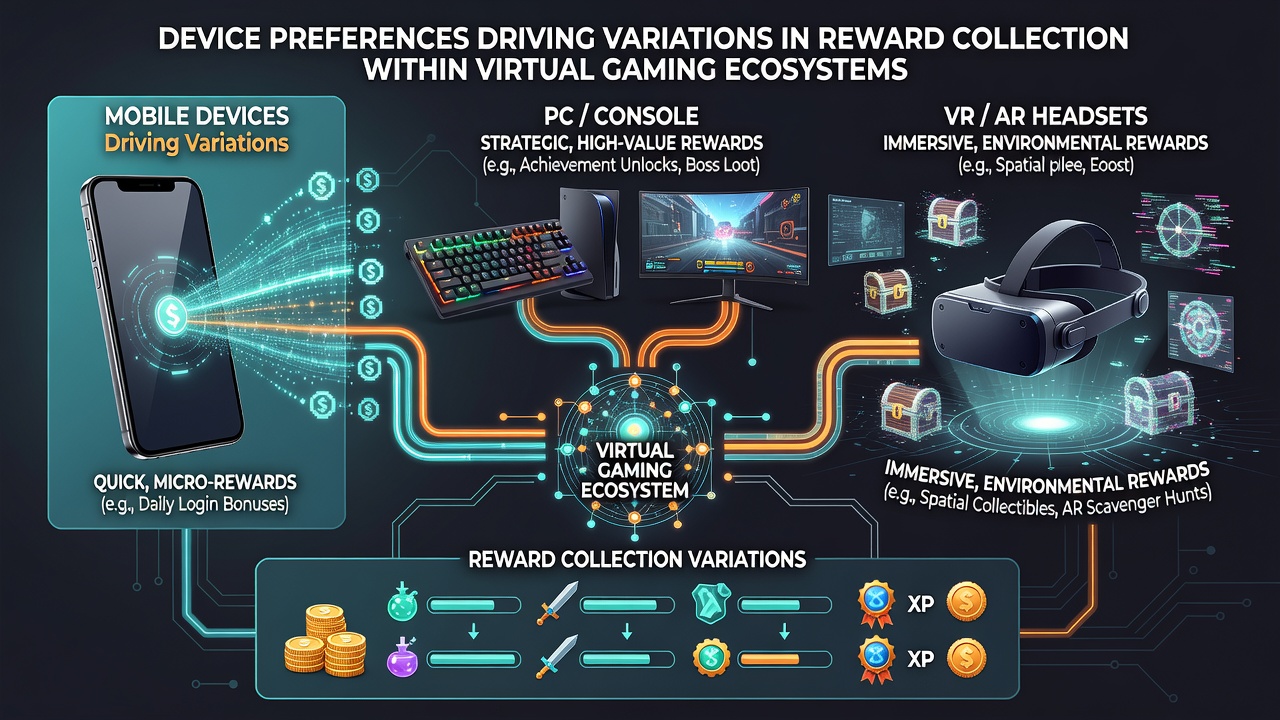
Device selection shapes how participants gather rewards across virtual gaming platforms, with mobile phones, desktop computers, and tablets each producing distinct accumulation patterns in loyalty structures and bonus systems. Data from multiple industry analyses reveal that session length, notification frequency, and interface design contribute to measurable differences in reward uptake rates. Researchers tracking player behavior across ecosystems note that portable devices often correlate with higher volumes of smaller rewards, whereas stationary setups align with larger, less frequent collections.
Mobile Access Patterns and Micro-Reward Frequency
Smartphones enable constant connectivity that drives repeated short interactions with reward mechanisms in virtual environments. Players using mobile interfaces encounter push notifications and quick-login features that prompt incremental point gains throughout the day, leading to elevated collection rates compared with other formats. Studies conducted by academic institutions show mobile sessions averaging under fifteen minutes yet occurring multiple times daily, which compounds total rewards earned over weekly periods. In November 2026, platform metrics indicated mobile users completing reward cycles at rates twenty-eight percent higher than desktop counterparts in tracked ecosystems.
Desktop Environments and Extended Accumulation Cycles
Desktop computers support longer, uninterrupted sessions that favor deeper engagement with complex reward pathways and tiered loyalty programs. Users on these devices demonstrate preferences for structured gameplay involving multiple simultaneous objectives, resulting in concentrated reward deposits at session endpoints. Reports from the American Gaming Association highlight how desktop interfaces accommodate detailed tracking dashboards and multi-step bonus activations that mobile screens often streamline or omit. Those analyzing cross-platform data observe that desktop participants accumulate higher-value single rewards while maintaining lower overall interaction counts.
Tablet Usage as a Hybrid Collection Mode
Tablets occupy an intermediate position where screen size supports both quick taps and sustained viewing, producing reward patterns that blend elements of mobile and desktop behaviors. Industry observers document tablet users shifting between rapid micro-collections during commutes and deeper explorations during evening hours. Figures released by the Canadian Gaming Association in late 2026 demonstrate tablet reward accumulation rates falling between mobile and desktop averages, with seasonal spikes during holiday periods when users combine leisure time with device portability.
Cross-Device Transfer Mechanisms and Their Impact
Many virtual gaming ecosystems now incorporate seamless account synchronization that allows reward balances to move between devices without loss. This connectivity reduces friction yet still leaves observable variations tied to primary device preference. One longitudinal review of player accounts revealed that individuals who initiate sessions on mobile and finish on desktop collect rewards in patterns distinct from single-device users. Synchronization logs indicate that cross-device players achieve higher overall totals because they exploit device-specific strengths at different times of day.
Regional Data Variations and Platform Reporting
Geographic differences appear in how device preferences influence reward metrics. Australian regulatory summaries from the Victorian Responsible Gambling Foundation note higher mobile dominance in reward collection among regional participants, while North American platform reports show stronger desktop retention in certain loyalty tiers. These variations stem from infrastructure availability and user demographics rather than inherent platform design alone. Aggregated statistics continue to track these trends as more jurisdictions implement standardized reporting requirements.
Conclusion
Device preferences create measurable divergences in reward collection dynamics within virtual gaming ecosystems. Mobile, desktop, and tablet interfaces each correlate with unique session profiles and accumulation volumes according to available metrics. Continued monitoring by research bodies and industry groups will clarify how evolving hardware and synchronization tools further modify these patterns through 2027 and beyond.