Shifts in Reward Distribution Timing Tied to Verification Protocols Across Portable Game Formats
Written by Parker Schmitt · Sep 13, 2026
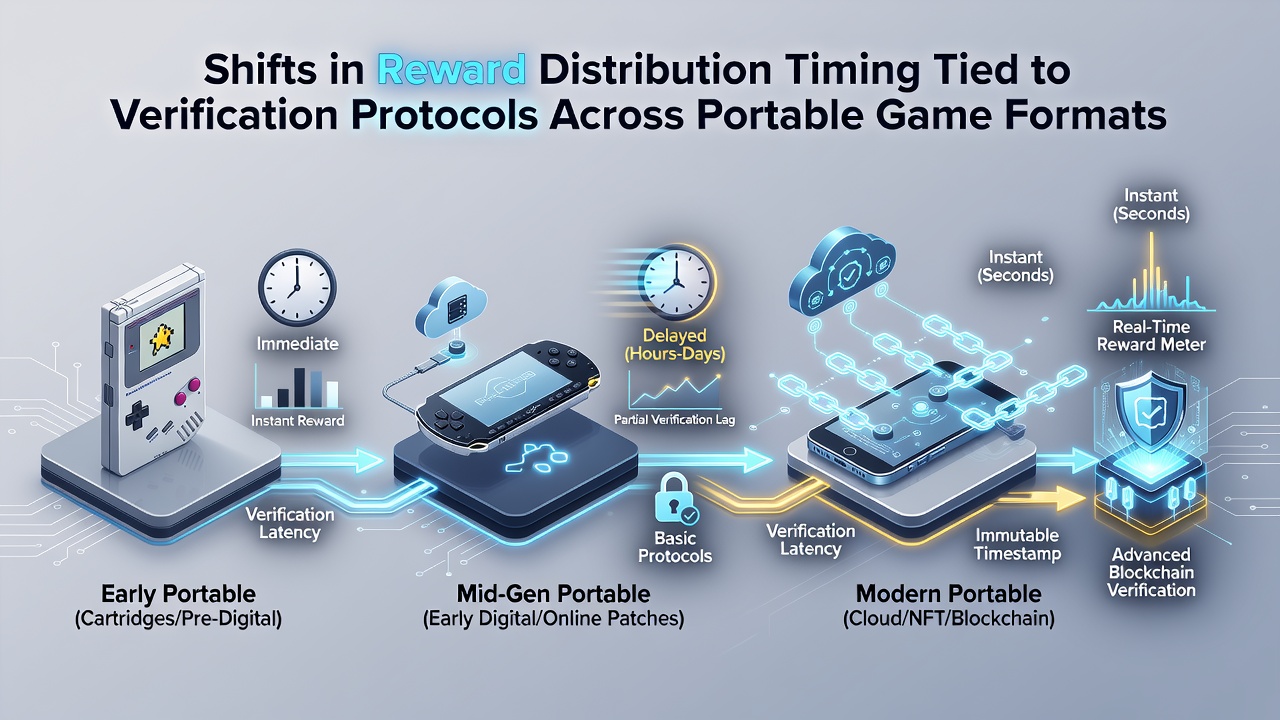
Shifts in Reward Distribution Timing Tied to Verification Protocols Across Portable Game Formats
Verification protocols have altered the timing of reward distribution in portable game formats as platforms integrate identity checks directly into mobile applications and browser-based play. Data from regulatory filings indicate that many operators now require real-time document uploads before releasing loyalty points or bonus credits, which extends processing windows from minutes to several hours in certain cases.
Verification Layers in Mobile Environments
Portable formats encompass smartphone apps and tablet interfaces that host slots, table games, and live dealer sessions, and these systems rely on device-level authentication combined with account-level checks. Observers note that operators tie reward releases to multi-factor verification sequences because regulators in multiple jurisdictions mandate identity confirmation prior to any payout or point credit. Research indicates this linkage appears in frameworks overseen by bodies such as the Pennsylvania Gaming Control Board and the Victorian Commission for Gambling and Liquor Regulation, where compliance reports document staggered release schedules.
Players encounter these shifts when they complete a deposit or reach a loyalty threshold, since the platform pauses distribution until the verification step clears. Figures from industry audits reveal that average wait times increased between 2024 and 2026 as more jurisdictions adopted portable-specific rules requiring geolocation plus identity cross-checks before rewards activate.
Timing Adjustments Across Game Types
Slot formats on mobile devices often see reward distribution delayed until a secondary biometric step completes, whereas live dealer simulations may release partial credits once initial verification passes. Those who track player behavior data observe that cross-platform transfers of loyalty points now route through verification gateways that synchronize with banking partners, adding sequential approval stages. Evidence from September 2026 operational summaries shows operators adjusting their internal clocks so that rewards land in accounts only after both device and account verifications succeed.
One study revealed that point accumulation rates dipped temporarily when verification protocols updated mid-year, yet overall retention metrics stabilized once players adapted to the new timing. Platforms now publish estimated release windows that factor in verification queue lengths, and these estimates appear in user dashboards for handheld formats.
Regulatory Influences on Distribution Schedules
Authorities in North America and Australia have issued guidance that links reward timing to verification completion, prompting operators to redesign mobile reward engines. According to reports filed with the New Jersey Division of Gaming Enforcement, operators must log each verification checkpoint before any loyalty adjustment occurs, which creates auditable timestamps that shift distribution from instantaneous to scheduled batches. Similar requirements in Canadian provincial frameworks have produced parallel changes across portable game libraries.
Operators respond by batching reward releases at fixed intervals, such as every four hours, once verification clears, and this pattern appears consistently in cross-format loyalty programs. Researchers discovered that these batch windows reduce system load while satisfying audit trails, and the approach has spread to additional portable platforms since early 2026.
Device-Specific Implementation Patterns
Android and iOS environments handle verification differently because of operating-system restrictions on background processes, which affects how quickly rewards distribute after approval. Data shows iOS users sometimes experience shorter delays when facial recognition completes faster than document uploads required on certain Android builds. Those who monitor platform metrics note that hybrid browser sessions on tablets often combine both methods, resulting in intermediate timing that sits between native app and full-web experiences.
Portable formats that support multiple device types therefore maintain separate release queues to accommodate these variations, and operators publish device-specific guidance within their help sections. This segmentation keeps reward timing aligned with each platform's verification capabilities.
Conclusion
Verification protocols continue to reshape reward distribution timing across portable game formats as operators align internal processes with regulatory expectations. Records from multiple oversight bodies demonstrate that these adjustments produce predictable release windows tied directly to verification completion rather than gameplay milestones alone. The resulting structure maintains compliance while delivering rewards through device-aware scheduling systems that have become standard by September 2026.